01
Advanced 3D printing
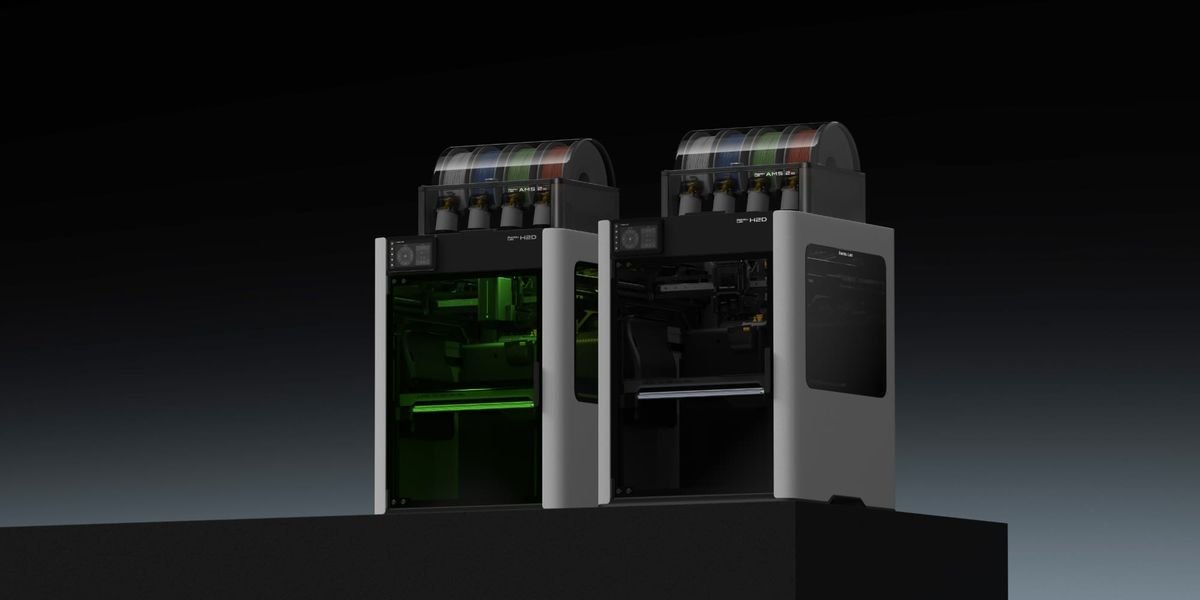
Functional parts, prototypes, replacement components, jigs, fixtures and small production runs across multiple Bambu Lab H2D machines.
DIGITAL DESIGN + ADVANCED MANUFACTURING
FixItRoss combines CAD design, 3D scanning, advanced 3D printing, 10 W laser engraving and digital cutting to turn concepts and existing components into accurate, practical results.
CAPABILITIES
Start with the problem, not the process. The right combination of design, scanning and manufacturing is chosen around the result you need.
Functional parts, prototypes, replacement components, jigs, fixtures and small production runs across multiple Bambu Lab H2D machines.
Turn a sketch, measurement or rough idea into a refined, manufacturable 3D model built around its real purpose.
Capture an existing object, then clean, rebuild or adapt its geometry through a considered scan-to-CAD workflow.
Choose material around strength, heat, chemicals, flexibility, weather exposure and how the finished part will be used.
Detailed engraving, marking and cutting on compatible non-metal materials, assessed carefully before the project begins.
10 W diode laser. Metal cutting is not offered.Custom vinyl graphics, labels, stencils, stickers, paper, card and other compatible thin media.
MATERIAL INTELLIGENCE
Material choice can be as important as the model. Everyday, functional and high-performance filaments are selected around how the finished part needs to behave.
ONE PLATFORM · THREE MODES
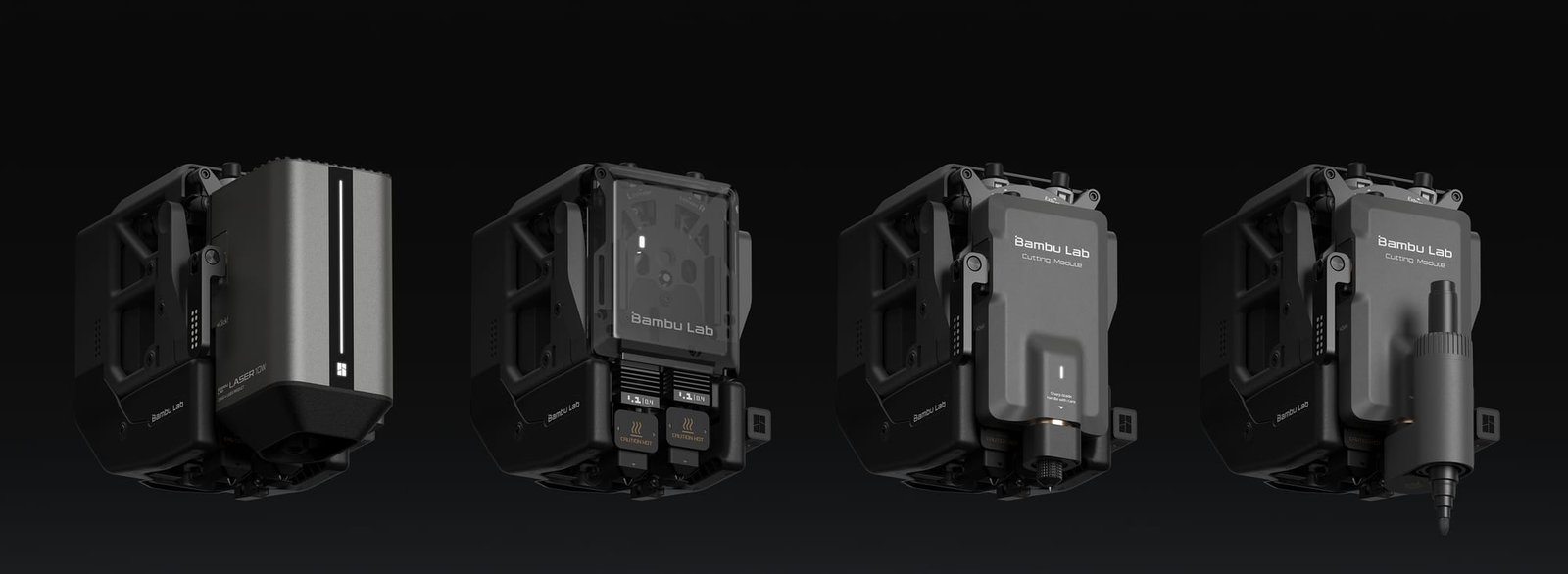
The H2D platform moves between additive manufacturing, laser work and digital cutting using purpose-built tools and controlled workflows.
ACTIVE CONFIGURATION
Large enclosed build space, controlled heat and multi-material flexibility for prototypes, functional parts and small batches.
Technology example · Bambu LabREVERSE ENGINEERING
A scan captures form. Engineering the useful result still needs judgement, measurement and CAD.
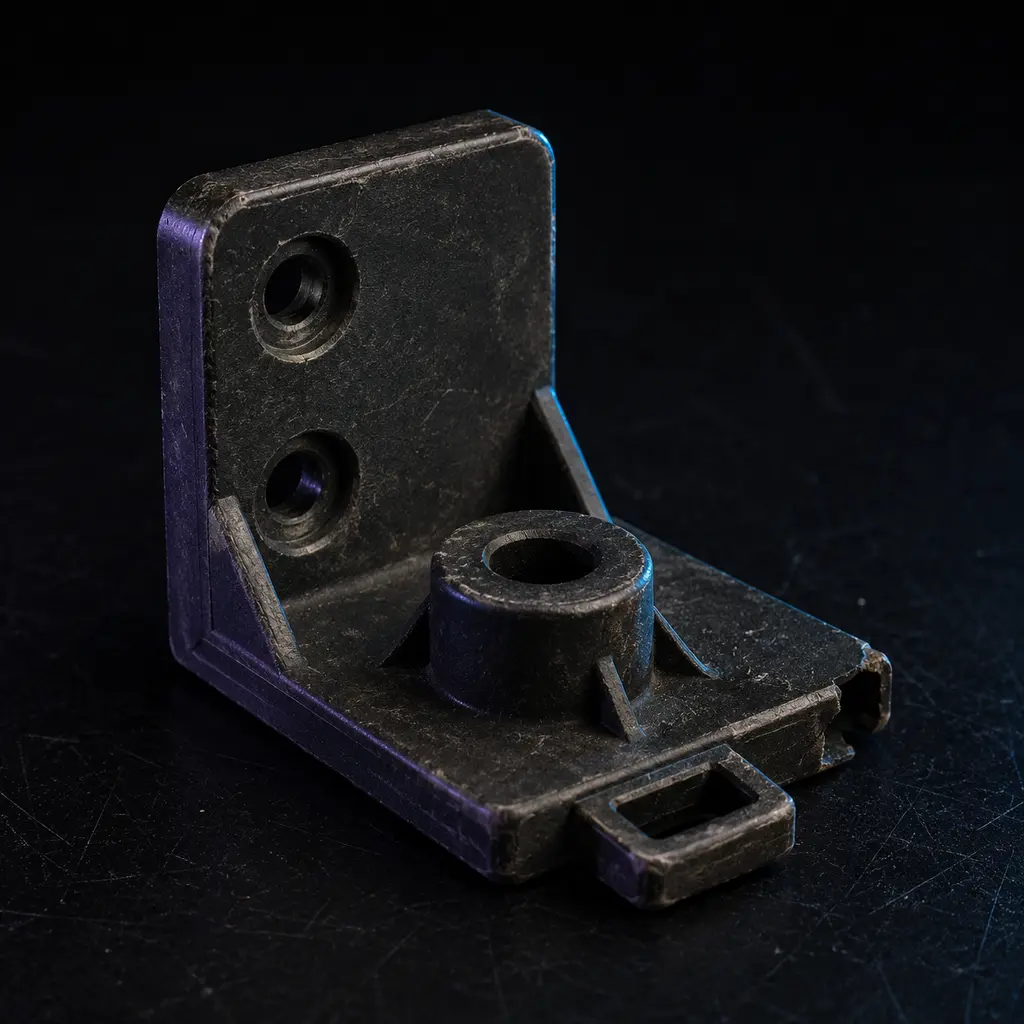
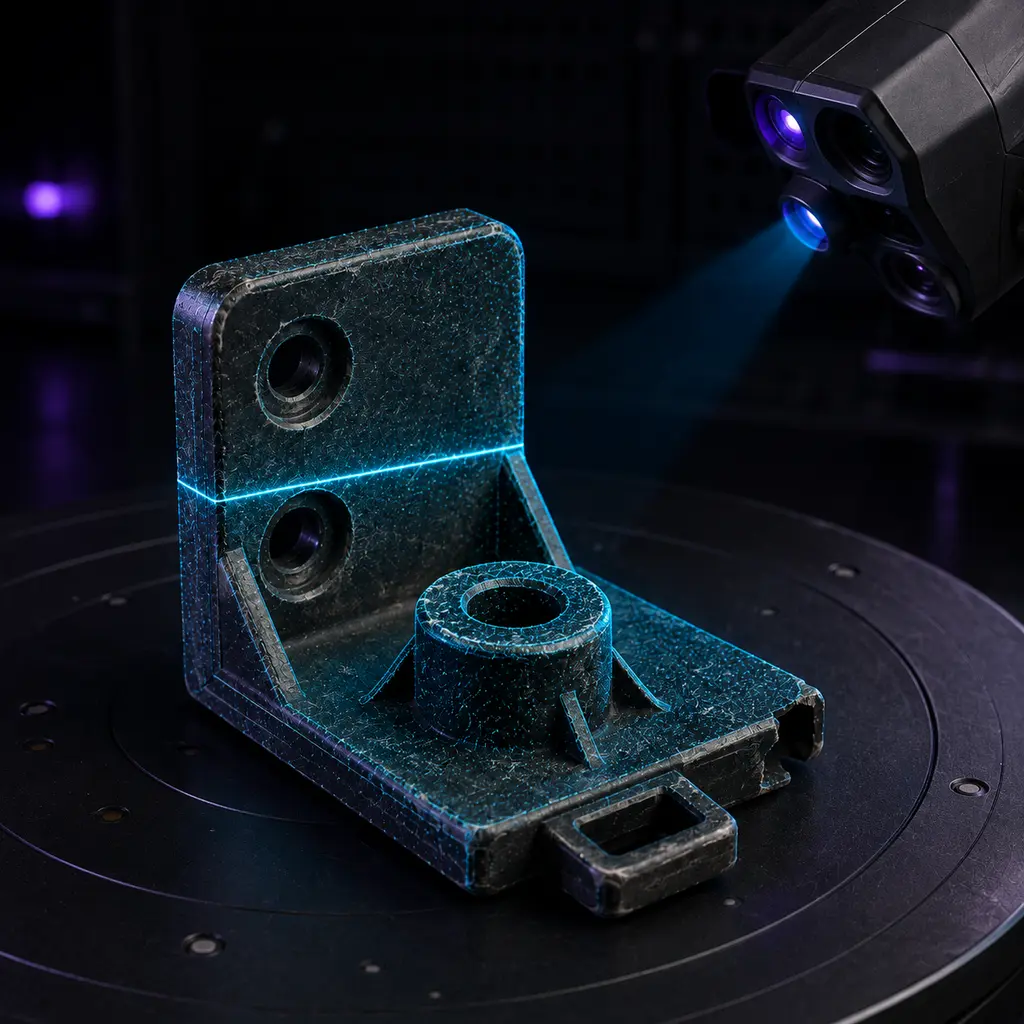
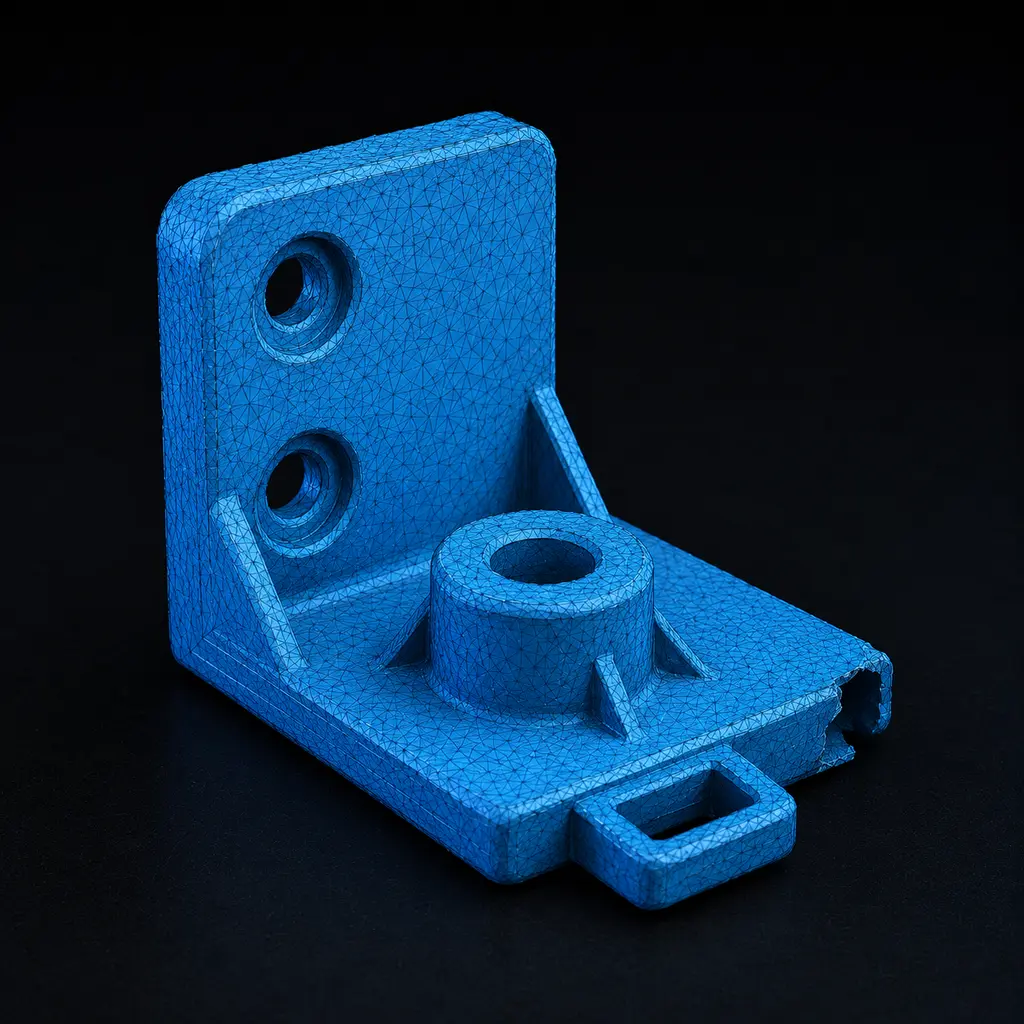
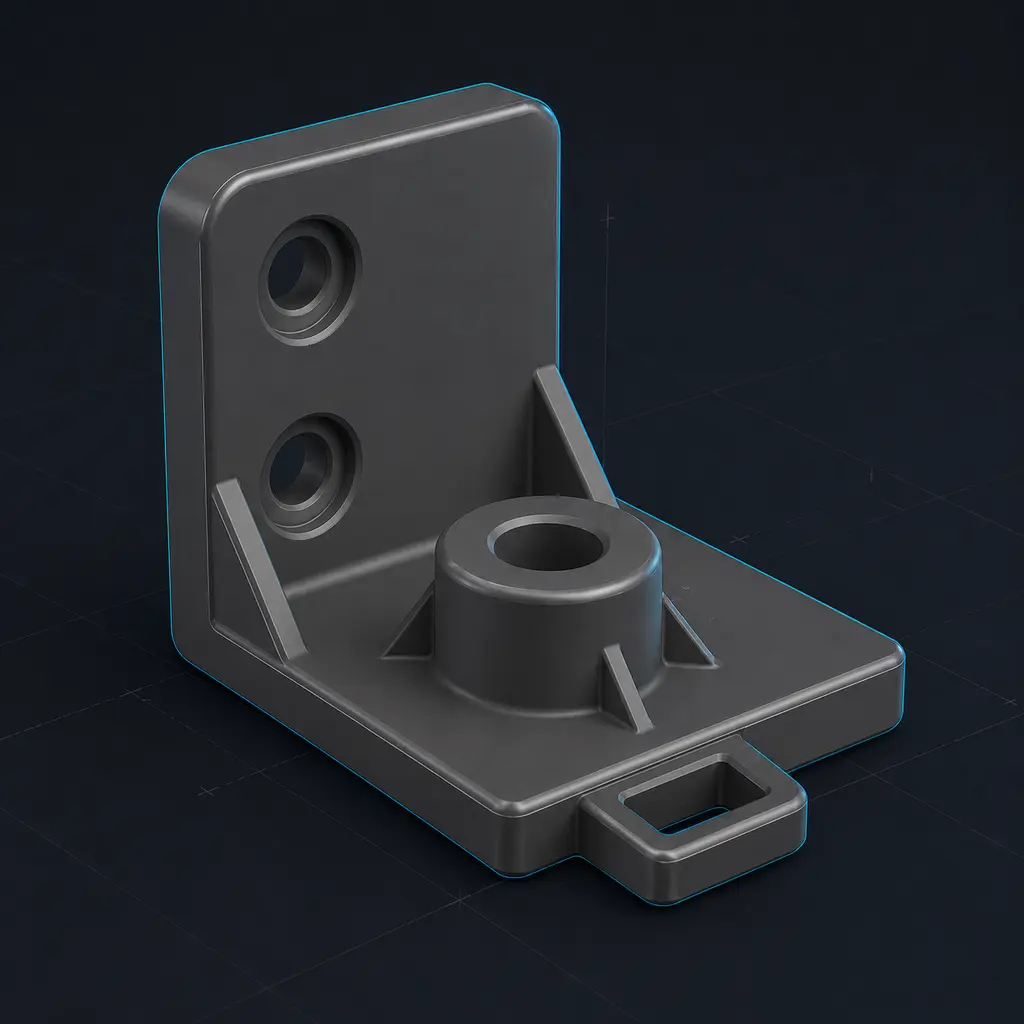
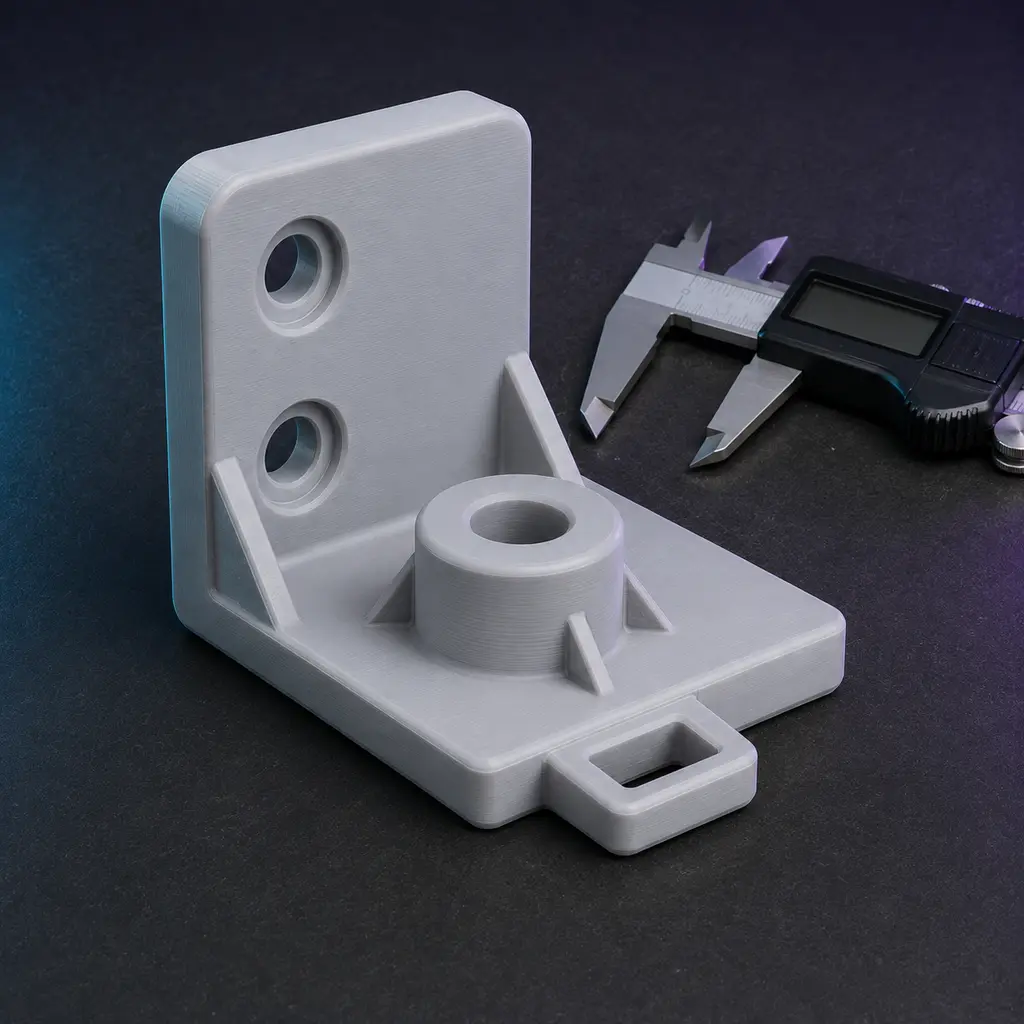
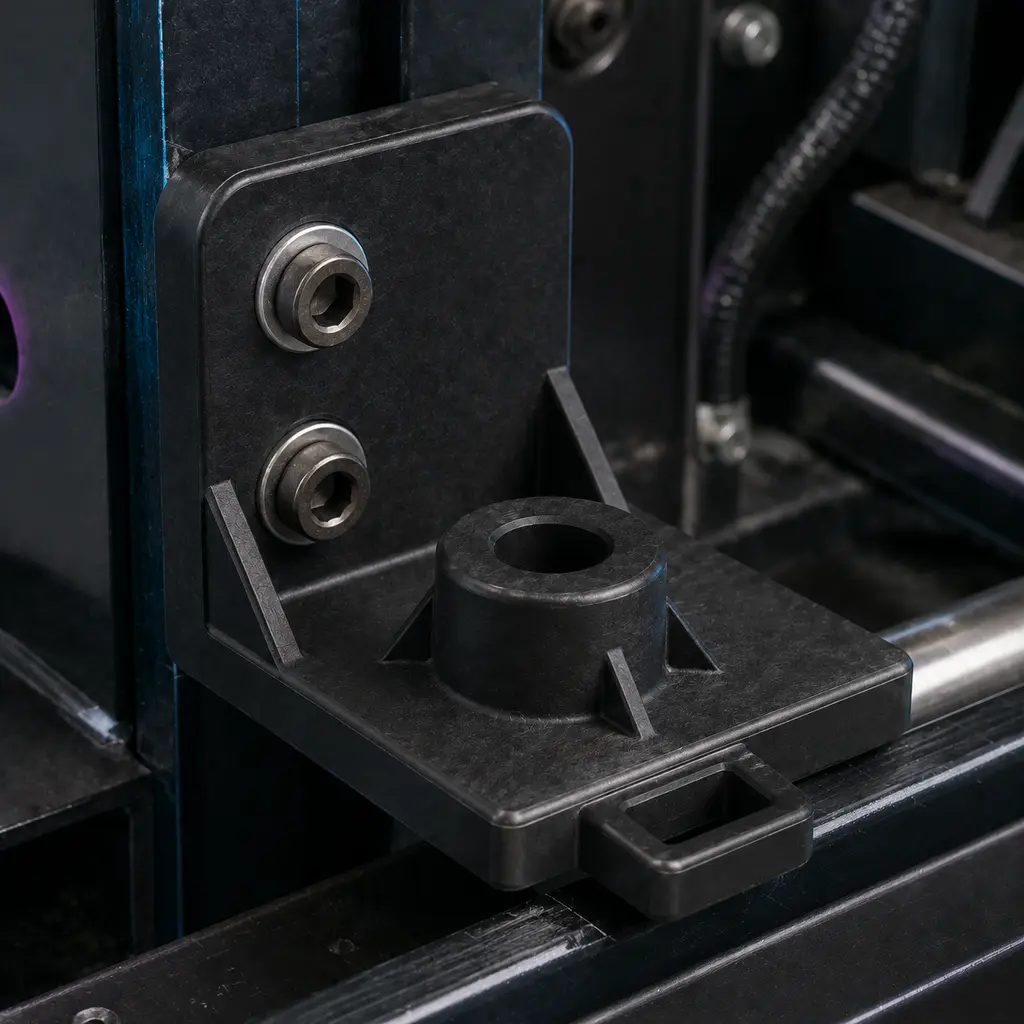
Raw scan data is not automatically a production-ready CAD model. Important faces, holes, fits and mounting points are rebuilt around the component’s function.
HOW IT WORKS
Start with a sketch, photo, existing part, drawing or just the problem.
↓We consider geometry, use, loads, environment and the finish you need.
↓The digital model is created or refined and the important details are agreed.
↓The process and material are selected, then the result is produced and checked.
↓Any agreed adjustments are made before the final part or quantity is produced.
✓TYPICAL APPLICATIONS
Useful work does not always begin with a perfect drawing. An awkward component, obsolete part or unfinished thought is often enough.
WHY FIXITROSS
START A CONVERSATION
Send over what you have. A photograph, sketch, damaged component or rough description is enough to start.
Discuss your project